A Lab-Grown Diamonds 101 for Newly Engaged Couples
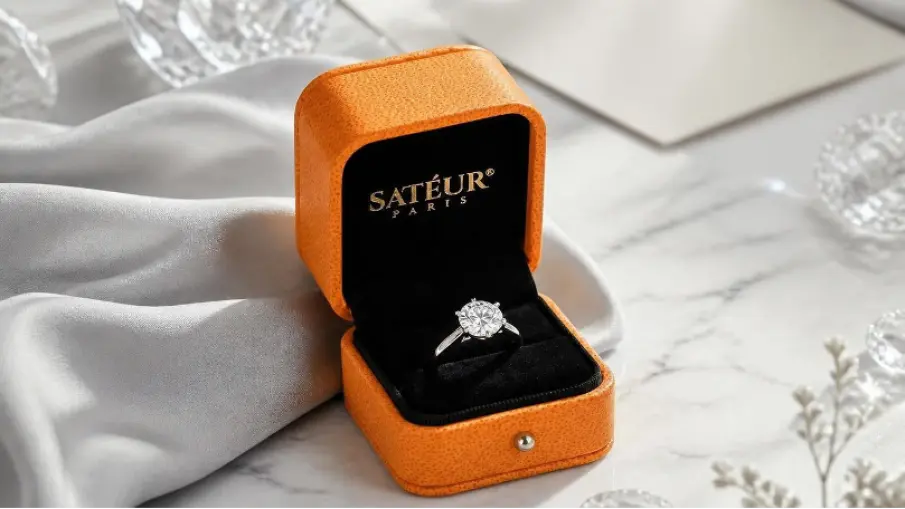
If you're newly engaged and just starting to look at rings - or you've already got one on your finger and you're curious what you actually said yes to - you've probably run into the term “lab-grown diamond” more than once. A few years ago it was a niche option. Now it's one of the first things a lot of couples ask about, and honestly, most people have no idea what separates it from a mined diamond, a moissanite, or a well-cut piece of cubic zirconia. Here's the plain-English version.
What a Lab-Grown Diamond Actually Is
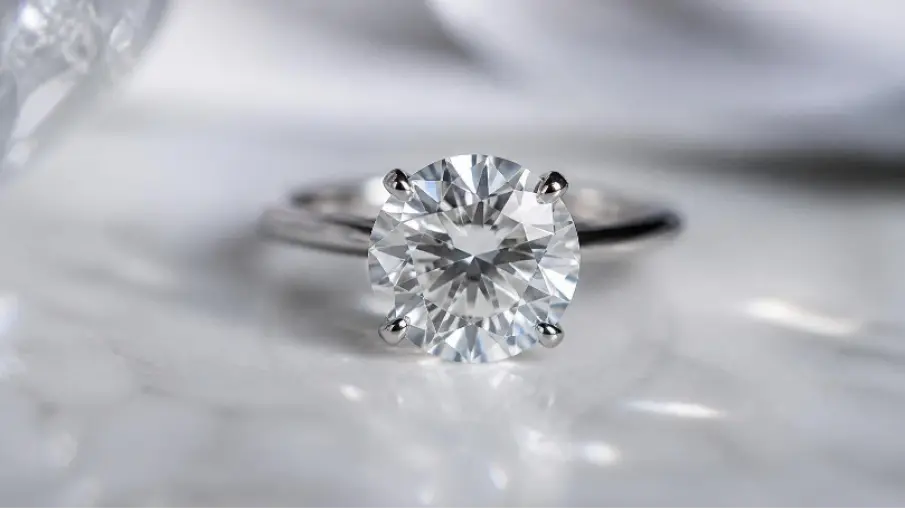
A lab-grown diamond isn't a fake diamond or a diamond look-alike. It's carbon, grown under controlled conditions that recreate what happens naturally underground over a very long time, just compressed into weeks instead of millions of years. There are two main methods you'll see mentioned: HPHT (high pressure, high temperature) and CVD (chemical vapor deposition), which is the one most commonly used today. Either way, the result is chemically, physically, and optically identical to a mined diamond. Even a gemologist can't tell the two apart by eye - it takes specialized lab equipment to spot the difference, and even then, it's really just confirming origin, not quality.
That's the part that trips people up. A lab-grown diamond is a diamond. It's just not one that came out of the ground.
How That's Different From Moissanite
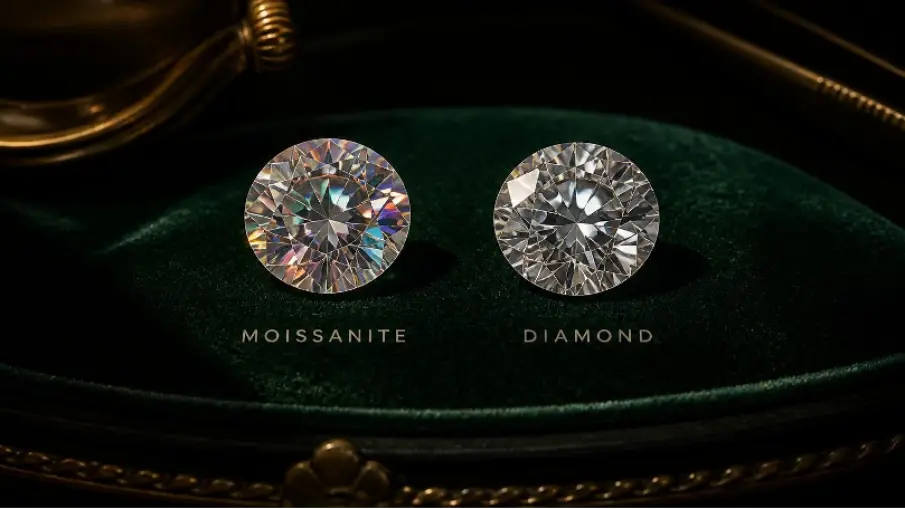
This is where a lot of couples get confused, because moissanite gets lumped into the same conversation. It shouldn't be - it's a completely different mineral, made of silicon carbide rather than carbon, and it has its own distinct sparkle (more rainbow-colored fire, less of the classic diamond brilliance). It's a legitimate stone in its own right, not a “cheaper diamond,” and some people genuinely prefer the look. If you want to see the difference for yourself before deciding, it's worth looking at a straightforward moissanite vs. diamond comparison rather than guessing from product photos alone - the two really do read differently once you see them next to each other.
Why So Many Couples Are Going This Route
Price is the obvious one - a lab-grown diamond typically runs a fraction of the cost of a mined stone of comparable size and clarity, which means the same budget stretches a lot further, or you can put the difference toward the wedding instead. But it's not purely a money decision for everyone. Traceability matters to a lot of couples too - knowing exactly where a stone came from, without the murkier supply chain history that mined diamonds can carry, is genuinely important to some buyers, less so to others. Neither reason is more “correct” than the other. It really comes down to what you personally care about.
A handful of newer, direct-to-consumer jewelers have built their whole business around this rather than treating lab-grown stones as a side option next to mined diamonds. Satéur is one example - they work exclusively in lab-grown diamonds and moissanite, which means the buying process tends to be a bit more straightforward, since the whole site (and staff, if you're emailing with questions) is set up around exactly these kinds of comparisons rather than treating them as an afterthought next to a mined-diamond catalog. If you want the fuller technical rundown - certification, the two growing methods, how pricing actually breaks down - it's worth reading a proper lab-grown diamond guide rather than piecing it together from five different retailer FAQ pages.
What It Actually Costs, Roughly
Exact prices swing a lot based on carat, cut, and clarity, so treat any number you read online (including this one) as a starting point, not a quote. As a rough rule of thumb, a lab-grown stone commonly costs a fraction of a mined diamond of comparable size and grade - which is a big part of why the category has grown so fast. The gap tends to be biggest at larger carat weights, where mined-diamond prices climb steeply and lab-grown pricing stays comparatively flat. If a specific number matters for your budget, get a real quote rather than working off an average - regional pricing, current supply, and the retailer's own margins all move it around more than people expect.
Questions Worth Asking Before You Buy
Whichever way you go, a few questions will save you a headache later:
Is it certified, and by whom? Look for grading from an independent lab like IGI or GIA - both now grade lab-grown stones with the same 4Cs framework used for mined diamonds, just noted as lab-grown on the certificate.
What's the return or upgrade policy? Ring shopping under time pressure (hello, holiday proposals) leads to rushed decisions. A retailer that lets you return or resize without a fight is worth more than it sounds.
How long has the retailer actually been doing this? The lab-grown space has grown fast, which means there are a lot of new sellers. That's not automatically a bad thing, but it's worth a quick look at reviews before you commit.

Quick FAQ
Is a lab-grown diamond a “real” diamond? Yes. Same carbon structure, same optical and physical properties. The only difference recognized by gemologists is origin, not composition.
Will it look different in ten years? No - diamond is diamond, whether it's mined or lab-grown. It doesn't age, cloud, or change color differently based on where it came from.
Does insurance treat lab-grown diamonds differently? Most major jewelry insurers will cover a lab-grown stone the same way, but confirm with your specific provider and make sure your appraisal notes the stone's origin correctly.
Can you tell a lab-grown diamond apart from a mined one just by looking? Not with the naked eye, and not usually with a standard jeweler's loupe either - it takes specialized equipment most local jewelers don't have on hand.
Making the Decision
There's no universally “right” choice between mined, lab-grown, or moissanite - it depends on your budget, what you're drawn to visually, and what matters to you about where your ring came from. If you're still early in the process, it's genuinely useful to browse a few engagement ring collections side by side, lab-grown and mined, before you settle on anything. Ring shopping is one of those things that's easy to overthink from a screen and much clearer once you've actually seen a few styles in front of you.